Human Physiology – Brief Explanation
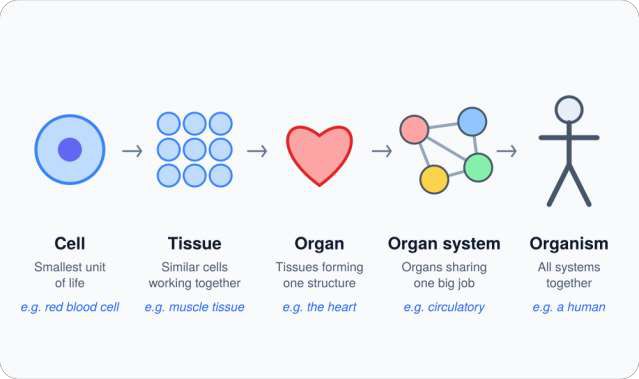
Human physiology is the study of how the human body and its organs function, work together, and maintain health. It explains how the body performs essential activities such as breathing, blood circulation, digestion, movement, hormone regulation, and waste removal.
Major body systems and their functions
| Body system | Main function |
|---|---|
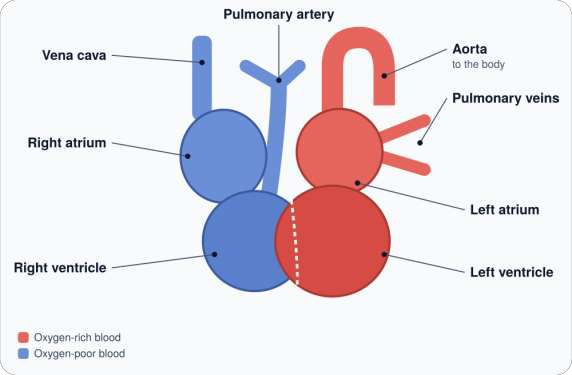
| Cardiovascular | Pumps and circulates blood, transporting oxygen and nutrients. |
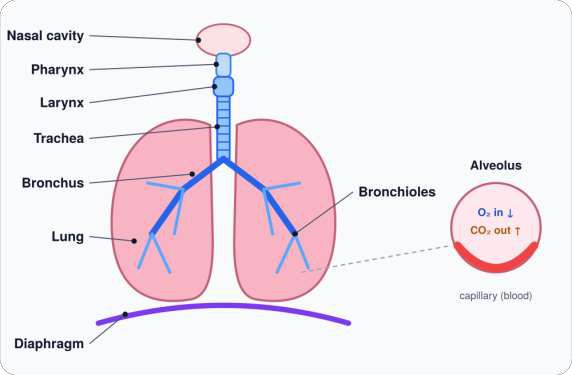
| Respiratory | Takes in oxygen and removes carbon dioxide. |
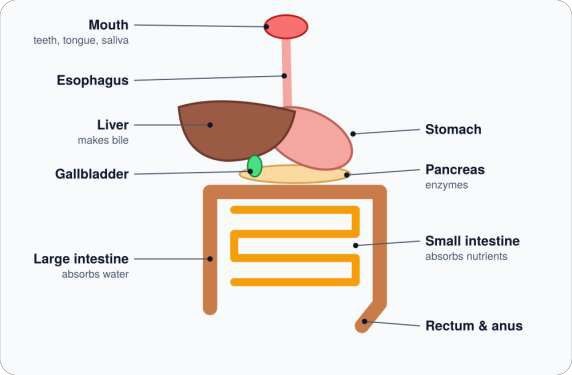
| Digestive | Breaks down food and absorbs nutrients. |
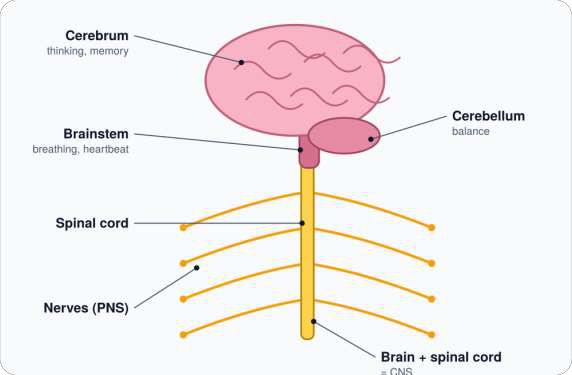
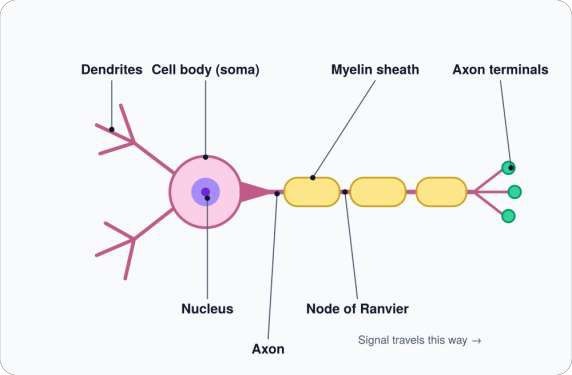
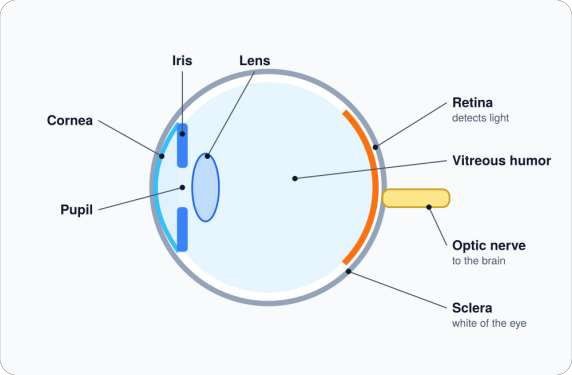
| Nervous | Controls body activities and responds to stimuli. |
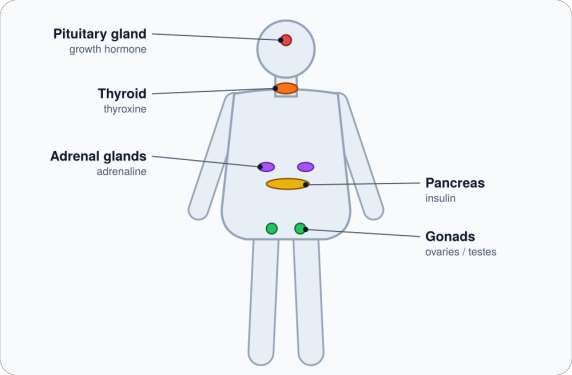
| Endocrine | Produces hormones that regulate growth, metabolism, and reproduction. |
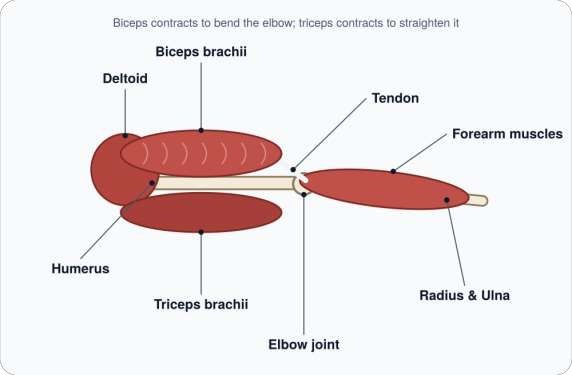
| Muscular | Enables movement, maintains posture, and generates heat. |
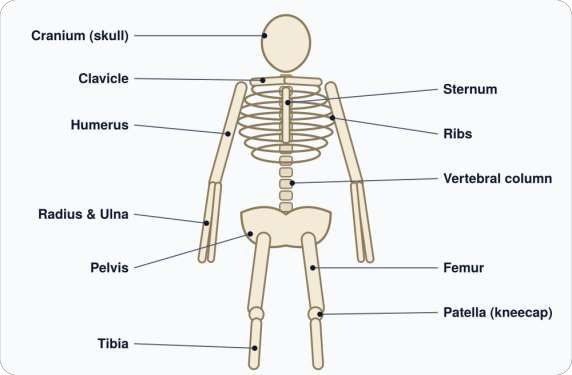
| Skeletal | Supports the body, protects organs, and helps movement. |
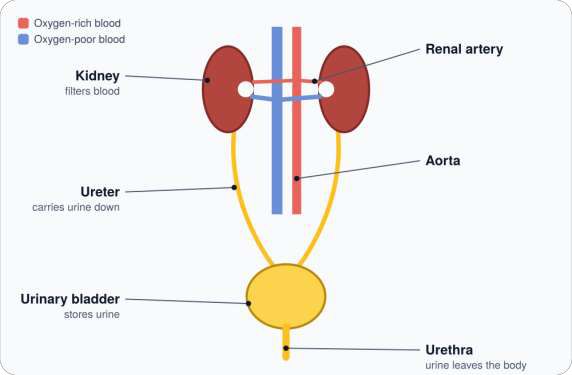
| Urinary (excretory) | Removes waste through urine and helps regulate water and electrolyte balance. |
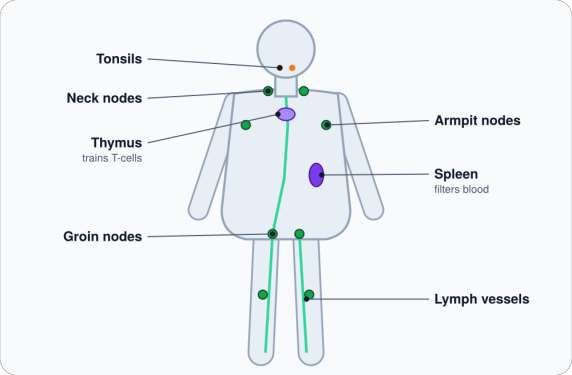
| Immune | Protects the body against infections and harmful substances. |
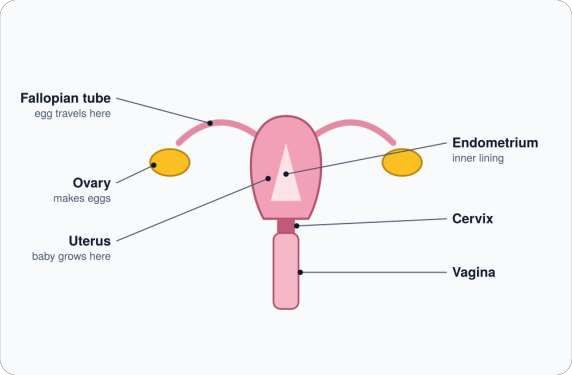
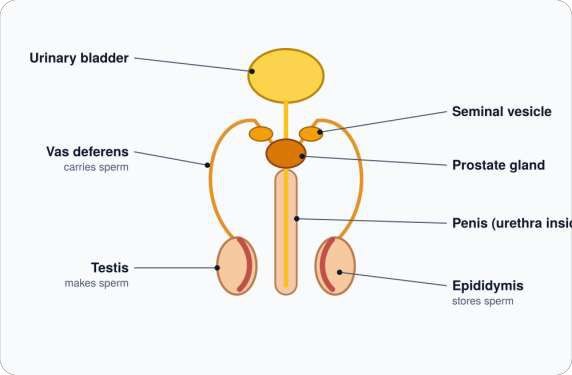
| Reproductive | Enables human reproduction. |
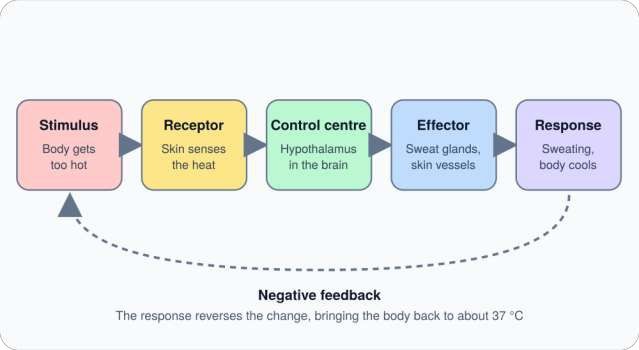
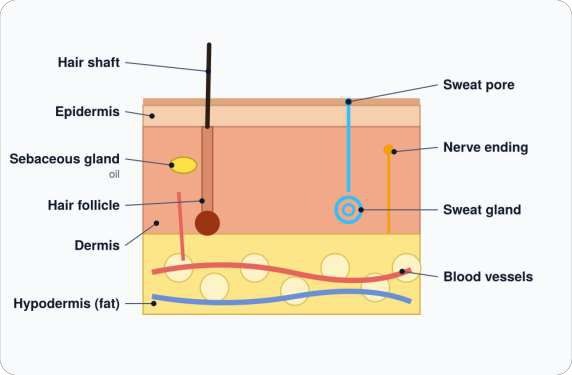
Homeostasis: The body’s ability to maintain a relatively stable internal environment, including body temperature, blood glucose, fluid balance, and pH.
Disclaimer: This infographic is intended for general educational purposes only and provides a simplified overview of human physiology; it is not a substitute for professional medical advice, diagnosis, or treatment, so consult a qualified healthcare professional for personal health concerns.